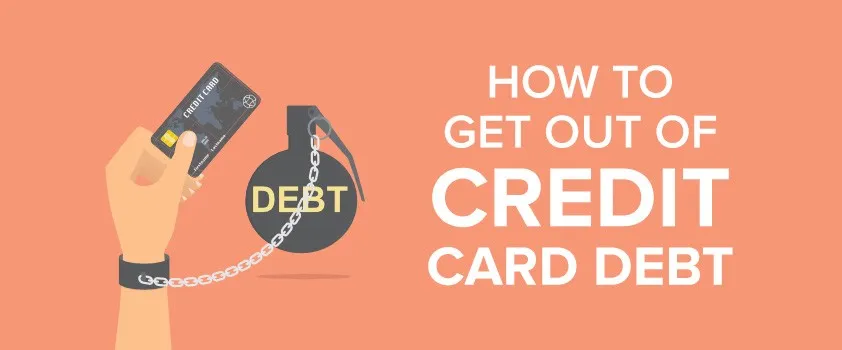
Credit cards can be a powerful financial tool. They offer convenience, rewards, and even help you build your credit history. However, when mismanaged, credit cards can also become a source of stressful and costly debt. According to recent studies, millions of people struggle with high-interest credit card balances, often paying more in interest than they realize. The key is learning to use credit wisely.
In this article, we’ll explore smart strategies to avoid credit card debt, tips for managing spending, and techniques to maintain a healthy financial life while enjoying the benefits of credit cards.
Understanding Credit Card Debt
Before you can avoid debt, it’s important to understand how it works. Credit card debt accumulates when you carry a balance from month to month and fail to pay your full statement. Interest rates on credit cards are typically very high, often ranging from 15% to 25% APR, making even small balances expensive over time.
The Common Traps Leading to Debt
- Minimum Payments Only – Paying only the minimum each month prolongs debt and increases interest costs.
- Overspending – Using credit cards as a supplement to cash can lead to spending more than you can afford.
- Late Payments – Late fees and penalty APRs can make balances balloon quickly.
- High-Interest Rates – Even small balances grow quickly if your APR is high.
Understanding these traps is the first step to avoiding them.
1. Pay Your Balance in Full Every Month
The simplest and most effective way to avoid credit card debt is to pay your statement balance in full each month.
Why it works:
- Eliminates interest charges completely.
- Keeps your credit utilization low, which improves your credit score.
- Allows you to enjoy rewards without financial stress.
Tips to succeed:
- Set up automatic payments for your full balance.
- Treat your credit card like a debit card—only spend what you can pay off.
- Avoid using multiple cards with overlapping due dates to reduce confusion.
2. Track Your Spending Carefully
Overspending is one of the main causes of credit card debt. Keeping track of your expenses helps you stay within your budget and avoid surprises at the end of the month.
Strategies for tracking:
- Use budgeting apps that link to your credit card and track spending in real-time.
- Set spending alerts for each category, such as groceries, dining, and entertainment.
- Review your monthly statement carefully to spot recurring charges or errors.
By monitoring your spending, you gain control over your finances and reduce the risk of debt.
3. Create a Realistic Budget
A well-planned budget is the foundation of debt-free credit card use.
How to create one:
- Calculate your monthly income.
- List all fixed expenses, such as rent, utilities, and transportation.
- Allocate money for variable expenses, including groceries, entertainment, and personal purchases.
- Include a category for savings or emergency funds.
Why it helps:
A budget ensures you spend within your means, leaving enough room to pay off your credit card each month. It also reduces the temptation to rely on credit for unplanned purchases.
4. Avoid Using Credit for Everyday Small Purchases
It’s easy to slip into the habit of using a credit card for every small purchase, like coffee, snacks, or convenience store items. While this might seem harmless, these expenses add up quickly and can lead to a high balance at month-end.
Smart alternatives:
- Use cash or debit for small, everyday purchases.
- Only use credit cards for planned, larger expenses where rewards or protections matter.
- Consider one card for specific purposes (like groceries or travel) to control spending.
5. Understand Your Credit Card Terms
Many cardholders ignore the fine print, leading to unexpected fees and interest. Understanding the terms of your credit card can prevent accidental debt.
Key points to know:
- APR (Annual Percentage Rate): The interest rate you pay if you carry a balance.
- Grace period: The time you have to pay off your balance before interest accrues.
- Fees: Know about late payment fees, foreign transaction fees, and over-limit fees.
- Rewards program rules: Understand how points or cashback work and when they expire.
By knowing your card’s rules, you can use it effectively and avoid costly mistakes.
6. Limit the Number of Credit Cards You Use
Having multiple credit cards can be tempting because of rewards and perks, but it also increases the risk of debt. Multiple cards make it easier to overspend and harder to track balances.
Tips for managing multiple cards:
- Keep only 1–2 cards for everyday use.
- Use one card for rewards and planned expenses, another for emergency use.
- Avoid opening too many new cards at once, which can hurt your credit score.
7. Build an Emergency Fund
Credit cards are often used as a safety net during emergencies, which can quickly lead to debt. Having an emergency fund reduces the need to rely on credit cards for unexpected expenses.
How to build one:
- Start with a small target, like $500–$1,000.
- Gradually grow it to 3–6 months’ worth of expenses.
- Keep the fund in a high-yield savings account for accessibility and growth.
With an emergency fund, you can handle unexpected costs without accruing interest on credit cards.
8. Pay Attention to Your Credit Utilization
Credit utilization is the ratio of your credit card balance to your total credit limit. High utilization not only increases the risk of debt but also negatively impacts your credit score.
Guidelines:
- Keep your utilization below 30% of your credit limit.
- Pay balances multiple times per month if needed to stay under the threshold.
- Spread purchases across multiple cards if necessary, but avoid opening new cards solely to lower utilization.
9. Use Balance Alerts and Notifications
Most banks offer email or app notifications for due dates, balances, and spending. These tools can prevent overspending and help you make timely payments.
Tips:
- Set alerts for large transactions to monitor spending.
- Use reminders a few days before the payment due date.
- Track your total monthly spending with apps linked to your card.
Notifications are simple but effective tools to stay on top of your finances.
10. Avoid Minimum Payments Trap
Paying only the minimum is one of the fastest ways to fall into a debt spiral. Minimum payments cover interest and a tiny portion of the principal, leaving your balance to grow over time.
How to break the cycle:
- Always aim to pay more than the minimum, ideally the full statement balance.
- If paying in full is not possible, focus on the highest-interest card first to reduce interest costs.
- Create a payment plan to systematically reduce debt over months.
Final Thoughts: Smart Credit Card Habits
Avoiding credit card debt is not about avoiding credit entirely—it’s about using it wisely. With careful spending, a solid budget, and attention to interest and fees, you can enjoy the benefits of credit cards without falling into debt.
Key takeaways:
- Pay your balance in full every month to avoid interest.
- Track spending carefully and stick to a budget.
- Limit small everyday purchases on credit.
- Build an emergency fund to cover unexpected costs.
- Understand your card terms and fees.
- Keep credit utilization low.
- Avoid the minimum payments trap by paying as much as possible.
Using these strategies, credit cards can be a tool for financial growth rather than a source of stress. By being proactive and disciplined, you can stay debt-free and even enjoy perks like rewards points, travel benefits, and cashback.