Financial emergencies can strike at any time — from sudden medical bills to job loss or car repairs. An emergency fund acts as your personal financial safety net, giving you peace of mind and protection from unexpected expenses.
In this article, we’ll guide you step-by-step on how to create an emergency fund the smart way, how much you should save, where to keep it, and how to grow it over time — without feeling overwhelmed.
1. What Is an Emergency Fund and Why You Need One
An emergency fund is money set aside specifically for unplanned expenses. It’s not for vacations or shopping; it’s strictly for financial emergencies that can disrupt your life if you’re unprepared.
Common examples of when you’ll need it:
- Sudden job loss
- Medical emergencies
- Unexpected home or car repairs
- Family emergencies
- Unplanned travel or relocation
Having this fund means you won’t need to rely on credit cards or high-interest loans. It’s your financial shield against debt.
2. How Much Should You Save in an Emergency Fund?
The ideal size of your emergency fund depends on your income, expenses, and personal situation.
General rule of thumb:
- Save 3 to 6 months’ worth of living expenses.
If your monthly expenses are $1,000, you should aim for at least $3,000 to $6,000 in your emergency fund.
If you have dependents or an unstable job, aim closer to 9–12 months for added safety.
Pro tip:
Start small. Saving even $500–$1,000 can make a huge difference when an unexpected expense hits.
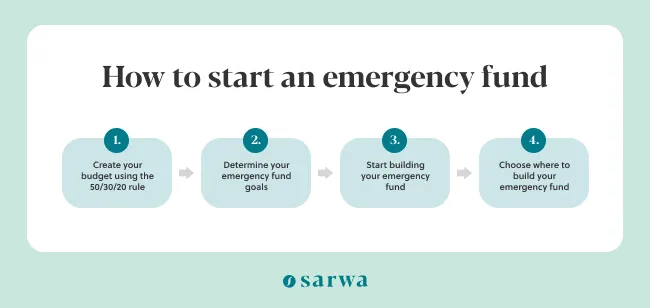
3. Step-by-Step: How to Start Building Your Emergency Fund
Step 1: Set a Realistic Goal
Decide how much you want to save. Start with a smaller milestone like $1,000, then work your way up.
Step 2: Open a Separate Savings Account
Keep your emergency fund in a separate account — ideally one with no debit card access. This prevents impulse spending and keeps the fund safe for true emergencies.
Look for accounts with:
- No monthly fees
- High interest (like online savings accounts)
- Easy but not too convenient access
Step 3: Automate Your Savings
Set up an automatic transfer from your main account to your emergency fund after every paycheck. Even small, consistent deposits of $25–$100 can grow quickly over time.
Step 4: Cut Unnecessary Spending
Review your expenses. Cancel unused subscriptions, cook at home, or limit online shopping.
Redirect those savings directly into your fund.
Step 5: Use Extra Money Wisely
Got a tax refund or bonus? Resist the urge to splurge — put at least half into your emergency fund.
This accelerates your savings goal significantly.
4. Where Should You Keep Your Emergency Fund?
The best place for your emergency fund should balance easy access with security and some growth.
Top options:
- High-Yield Savings Accounts – Safe, liquid, and earn interest.
- Money Market Accounts – Slightly higher returns with check-writing privileges.
- Short-Term Certificates of Deposit (CDs) – Lock funds for 3–6 months with guaranteed returns.
- Treasury Bills or Bonds – Ideal if you already have 6 months saved and want to earn more safely.
Avoid keeping your emergency fund in stocks or crypto — these are volatile and can lose value quickly during market drops.
5. How to Stay Consistent and Motivated
Building an emergency fund can take months or even years. Staying motivated is key.
Here’s how to keep going:
- Track progress visually: Use finance apps or spreadsheets.
- Reward milestones: Celebrate small wins like your first $500 or $1,000.
- Remind yourself why: It’s about peace of mind, not just money.
Consistency beats size. Even if you save slowly, you’re moving forward.
6. When to Use (and Not Use) Your Emergency Fund
Use it only for true emergencies:
- Medical emergencies
- Essential repairs (home, car, appliances)
- Unexpected job loss or income loss
Do NOT use it for:
- Vacations or holidays
- Regular bills
- Shopping or gifts
- Planned events like weddings or upgrades
Always remember: the fund’s purpose is protection, not convenience.
7. Rebuilding Your Fund After Using It
If you ever need to withdraw from your emergency fund, that’s okay — that’s what it’s for.
But once you use it, focus on rebuilding immediately.
Tips to rebuild:
- Reassess your budget and reallocate spending.
- Restart automated transfers.
- Add windfalls or extra income until it’s full again.
The key is to return it to full strength as soon as possible.
8. Smart Strategies to Grow Your Emergency Fund Faster
Once your basics are set, use smart strategies to grow faster without extra effort:
- Use cash-back apps and save the rewards.
- Sell unused items — old gadgets or clothes can easily add a few hundred dollars.
- Round-up apps automatically save spare change from purchases.
- Take small freelance gigs — every bit counts.
Remember, small actions over time compound into big results.
9. Common Mistakes to Avoid
Many people start saving for emergencies but make errors that slow them down.
Here are mistakes to avoid:
- Mixing emergency funds with daily spending
- Using the fund for non-emergencies
- Keeping it in risky investments
- Not automating deposits
- Failing to rebuild after using it
Avoid these, and your emergency fund will always stay strong.
10. The Peace of Mind an Emergency Fund Brings
Money problems are one of the biggest sources of stress.
Knowing that you have cash ready for any emergency changes everything — it reduces anxiety, gives confidence, and brings freedom.
Your emergency fund is not just about surviving — it’s about feeling secure and empowered no matter what life throws your way.
Conclusion
Creating an emergency fund the smart way isn’t just about saving money — it’s about building stability and peace of mind.
Start small, stay consistent, and protect yourself from financial surprises.
Even if it takes months or years, every deposit you make is a step toward true financial freedom.
FAQs
1. How much should I start with?
Start with $500 to $1,000 and grow over time toward 3–6 months of expenses.
2. Should I invest my emergency fund?
No. Keep it safe and liquid — savings accounts or money markets are best.
3. What if I can’t save much right now?
Start with whatever you can. Even $10–$20 weekly builds momentum.
4. Should I keep cash at home?
Keep a small amount ($100–$200) for power outages or quick access, but most should stay in the bank.