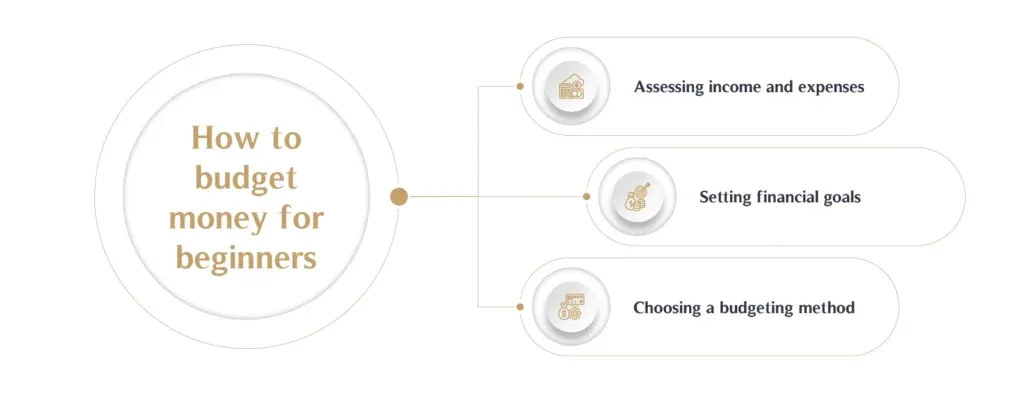
Budgeting is one of the most powerful habits anyone can learn — yet it’s often misunderstood. Many people see a budget as something restrictive, something that limits spending. But in reality, an effective budget is freedom. It’s the key to understanding your money, reducing stress, and reaching your goals faster.
Whether you’re trying to get out of debt, save for a major purchase, or simply stop wondering where your money goes every month, this beginner’s guide will walk you through everything you need to know about budgeting effectively in 2025.
1. What Is Budgeting and Why It Matters
Budgeting is the process of planning how to spend your money so you can reach both short-term and long-term financial goals.
It’s not about restriction — it’s about control. A well-planned budget helps you:
- Avoid unnecessary debt
- Save more efficiently
- Prepare for emergencies
- Make smarter spending decisions
Think of it as a financial map — it tells your money where to go instead of wondering where it went.
2. Know Your Financial Goals
Before you even create a budget, you need a clear destination. Ask yourself:
- What do I want to achieve financially?
- Am I saving for something specific — a car, a trip, a house?
- Do I want to pay off debt or build an emergency fund?
Set SMART goals — Specific, Measurable, Achievable, Relevant, and Time-bound.
Example: “I want to save $2,000 for emergencies in six months.”
Having goals gives your budget a purpose and keeps you motivated when things get tough.
3. Track Your Current Spending
You can’t improve what you don’t measure. Spend at least one month tracking every expense — rent, groceries, subscriptions, transportation, entertainment — everything.
You can use:
- A simple spreadsheet (like Google Sheets)
- Mobile apps such as Mint, YNAB (You Need a Budget), or Goodbudget
- Your bank’s built-in spending tracker
The goal is to understand your spending patterns. You’ll likely be surprised at how much goes to things you don’t really need.
4. List All Your Income Sources
Next, write down every source of income you receive monthly — salary, freelance work, side jobs, or any passive income.
Knowing your total income gives you a clear picture of what you’re working with. It’s the foundation of a realistic budget.
Always use your net income (after taxes and deductions), not your gross salary. This helps avoid overestimating what you can spend.
5. Categorize Your Expenses
Divide your expenses into three simple groups:
- Needs:
Essentials you can’t live without — rent, utilities, groceries, medical bills. - Wants:
Things that make life enjoyable but aren’t necessary — streaming subscriptions, dining out, shopping. - Savings and Debt Payments:
This includes your savings goals, emergency fund contributions, and debt repayments.
This breakdown helps you identify where you can adjust spending without feeling deprived.
6. Choose a Budgeting Method That Fits You
There’s no one-size-fits-all approach to budgeting. Here are the most popular and beginner-friendly methods:
a. The 50/30/20 Rule
- 50% for Needs
- 30% for Wants
- 20% for Savings or Debt
This is great for beginners who want a simple yet effective way to divide their income.
b. The Zero-Based Budget
Every dollar you earn is assigned a purpose — bills, savings, entertainment, or investments — until your income minus expenses equals zero.
This method ensures you’re fully aware of every dollar.
c. The Envelope Method
Ideal for people who prefer cash. You allocate a set amount for each category (like food, transport, entertainment) and keep it in labeled envelopes. Once the envelope is empty, that category’s spending is done for the month.
It’s old-school but very effective for those who struggle with overspending.
7. Prioritize Saving Early
Even if you’re living paycheck to paycheck, saving something — no matter how small — is essential.
Start with:
- Emergency fund: Aim for 3–6 months of living expenses.
- Retirement savings: If your employer offers a retirement plan, contribute to it, especially if they match funds.
- Short-term goals: Save for things like vacations, gadgets, or education.
Automate your savings so a portion of your income moves directly into your savings account. This way, saving becomes effortless.
8. Tackle Debt Strategically
Debt can drain your budget if not managed wisely. Start by listing all your debts, including credit cards, loans, and bills, along with their interest rates.
Two popular strategies to clear debt faster:
- Snowball Method: Pay off the smallest debts first to gain momentum.
- Avalanche Method: Focus on the highest-interest debts to save money in the long run.
Choose the one that keeps you motivated and consistent.
9. Use Technology to Stay Organized
Modern apps make budgeting simple and fun. Some useful ones include:
- Mint: Automatically tracks expenses and sends alerts.
- YNAB: Helps you plan for future expenses, not just react to current ones.
- Goodbudget: Great for the envelope-style system.
- PocketGuard: Shows how much “safe-to-spend” money you have after essentials.
These apps sync with your bank and simplify your financial tracking — ideal for beginners.
10. Review and Adjust Regularly
A budget isn’t set in stone. Life changes — income fluctuates, bills appear, goals shift.
Review your budget monthly or quarterly to:
- Update income and expenses
- Identify areas of overspending
- Reallocate funds toward new goals
This keeps your budget realistic and effective long-term.
11. Control Impulse Spending
Impulse buying is one of the biggest reasons people fail to budget effectively.
Try these tricks:
- Wait 24 hours before making a non-essential purchase.
- Unsubscribe from promotional emails or flash sales.
- Avoid “just browsing” online stores when bored.
Practicing mindful spending ensures that every dollar supports your priorities.
12. Plan for Irregular Expenses
Some expenses don’t happen monthly — like car repairs, insurance renewals, or holiday gifts.
Set aside a small amount each month for these irregular costs. That way, when they arrive, they won’t destroy your budget or force you into debt.
13. Build Healthy Financial Habits
Budgeting works best when paired with good financial habits:
- Pay bills on time to avoid late fees.
- Track your net worth regularly.
- Save windfalls (like bonuses or tax refunds) instead of spending them.
- Use cash for discretionary spending — it’s psychologically harder to overspend.
Small habits practiced consistently lead to long-term results.
14. Include Fun in Your Budget
A common mistake beginners make is cutting out all fun expenses — that’s unsustainable.
Allow room in your budget for enjoyment — dining out occasionally, hobbies, or entertainment. The goal is balance, not deprivation.
A sustainable budget is one you can stick to for years, not just months.
15. Stay Motivated with Visible Progress
Tracking your progress visually can make budgeting more rewarding.
Try:
- Using a savings tracker chart
- Setting milestones (like $500 saved, debt paid off, etc.)
- Celebrating small wins
The sense of progress keeps you motivated even when sacrifices feel difficult.
16. Communicate if You Share Finances
If you share expenses or goals with a partner or family member, budgeting together is key.
Have open discussions about priorities, spending limits, and goals. Working as a team prevents misunderstandings and keeps everyone on track financially.
17. Avoid Comparing Your Finances with Others
In the age of social media, it’s easy to compare your spending habits with others — but that’s a trap.
Everyone’s income, goals, and challenges are different. Focus on your journey and stay committed to improving your own financial health.
18. Learn to Adjust During Hard Times
There will be months when expenses rise or income drops. That’s normal.
During those times:
- Reassess your spending priorities
- Pause non-essential purchases
- Use your emergency fund if needed (and rebuild it later)
Flexibility is what keeps your financial plan alive during challenges.
19. Keep Learning About Money
Budgeting is just one part of financial literacy. As you get comfortable, explore related topics:
- Saving and investing
- Managing credit scores
- Understanding insurance
- Planning for retirement
Knowledge is power — the more you learn, the easier it becomes to make confident money decisions.
20. Be Patient — Progress Takes Time
Budgeting effectively is a journey. You won’t master it in one week, but with consistent effort, you’ll see steady improvement.
Each month you stick to your budget, you’re moving closer to financial freedom. The goal isn’t perfection — it’s progress.
Final Thoughts
Budgeting doesn’t limit your life — it empowers it. It gives you control, direction, and the confidence to make decisions that align with your goals.
Whether your income is large or small, knowing exactly where your money goes is the first step toward financial independence.
Start today, stay consistent, and let your budget become the foundation for a secure, stress-free future.
FAQs
Q1: How much should I save each month?
Ideally, aim to save at least 20% of your income. If that’s not possible right now, start with 5–10% and increase gradually.
Q2: How do I stick to my budget?
Use automation, review progress weekly, and allow small rewards for staying consistent.
Q3: Is it okay to adjust my budget frequently?
Yes — your budget should adapt to life changes. Adjust whenever income or priorities shift.
Q4: What’s the most common budgeting mistake?
Not tracking expenses or setting unrealistic goals. Start simple and build consistency.
Related External Resources
- Investopedia – Personal Budgeting Basics
- NerdWallet – How to Create a Monthly Budget
- Bankrate – Simple Budgeting Methods for Beginners